ADVERTISEMENT
Tips
Achieving the perfect dough texture is key.When mixing, add the flour gradually and stop as soon as the dough pulls away from the bowl and is smooth to the touch. Over-flouring can make the pastries dense. The initial rising time is crucial; let the dough balls rest in a warm, draft-free spot until they are visibly puffy and nearly doubled. This ensures a light and airy interior after frying.
Managing the filling and sealing process will prevent leaks during frying. Ensure your chicken or other fillings are thoroughly cooled before wrapping, as a hot filling can make the dough soggy and difficult to handle. When sealing, pinch the edges firmly and consider using a small amount of water or egg white on the dough edges to act as a glue. Let the assembled pastries rest for 10-15 minutes before frying to help the seal set.
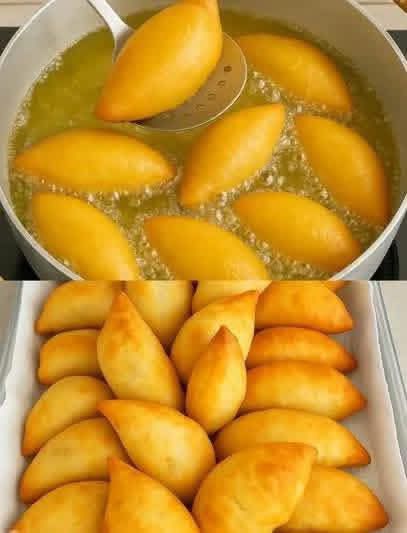
Frying temperature is critical for a crispy, non-greasy result. Use a deep-fry or candy thermometer to maintain oil at around 350-365°F (175-185°C). If the oil is too cool, the pastries will absorb excess oil; if too hot, they will brown too quickly while remaining uncooked inside. Fry in small batches to avoid overcrowding, which causes the oil temperature to drop, and turn them occasionally for an even, golden color.
How to Store
These pastries are truly best enjoyed fresh and warm,shortly after frying, when the contrast between the crispy shell and hot filling is at its peak. However, if you have leftovers, allow them to cool completely to room temperature after frying and draining. Do not cover them while they are still warm, as the trapped steam will make the crust soft and soggy.
For short-term storage, place the completely cooled pastries in a single layer in an airtight container or wrap them tightly in aluminum foil. They can be kept at room temperature for up to one day, though the crust will soften. For longer storage, refrigerate them in an airtight container for up to three days. Reheating is best done in an oven or toaster oven preheated to 350°F (175°C) for about 10 minutes, or until hot and re-crisped. Avoid the microwave, as it will make the pastry chewy.
For freezing, it is highly recommended to freeze the pastries before frying. After assembling, place the uncooked pastries on a baking sheet lined with parchment paper and freeze until solid. Then, transfer them to a freezer-safe bag or container. They can be fried directly from frozen; simply add an extra minute or two to the frying time. You can also freeze already-fried pastries, though the texture upon reheating will not be quite as perfect. Reheat frozen fried pastries in a hot oven until heated through.
Conclusion
Grandma’s little cake,or more accurately, these delightful savory pastries, embody the heart of homemade comfort food. Their magic lies in the simple, yeasted dough that puffs into a golden, crispy shell, giving way to a flavorful and satisfying filling. This recipe is a wonderful foundation, inviting you to embrace tradition while also making it your own with endless variations to suit any taste or occasion.
From the careful proofing of the dough to the sizzle of frying, the process is as rewarding as the result. It’s a recipe that connects us to the warmth of the kitchen and the joy of sharing food made with care. Whether you stick faithfully to the classic shredded chicken or embark on your own culinary experiments, these irresistible little treats are sure to become a cherished staple in your home as well.
ADVERTISEMENT
