ADVERTISEMENT
⚠️ Important Reality Check
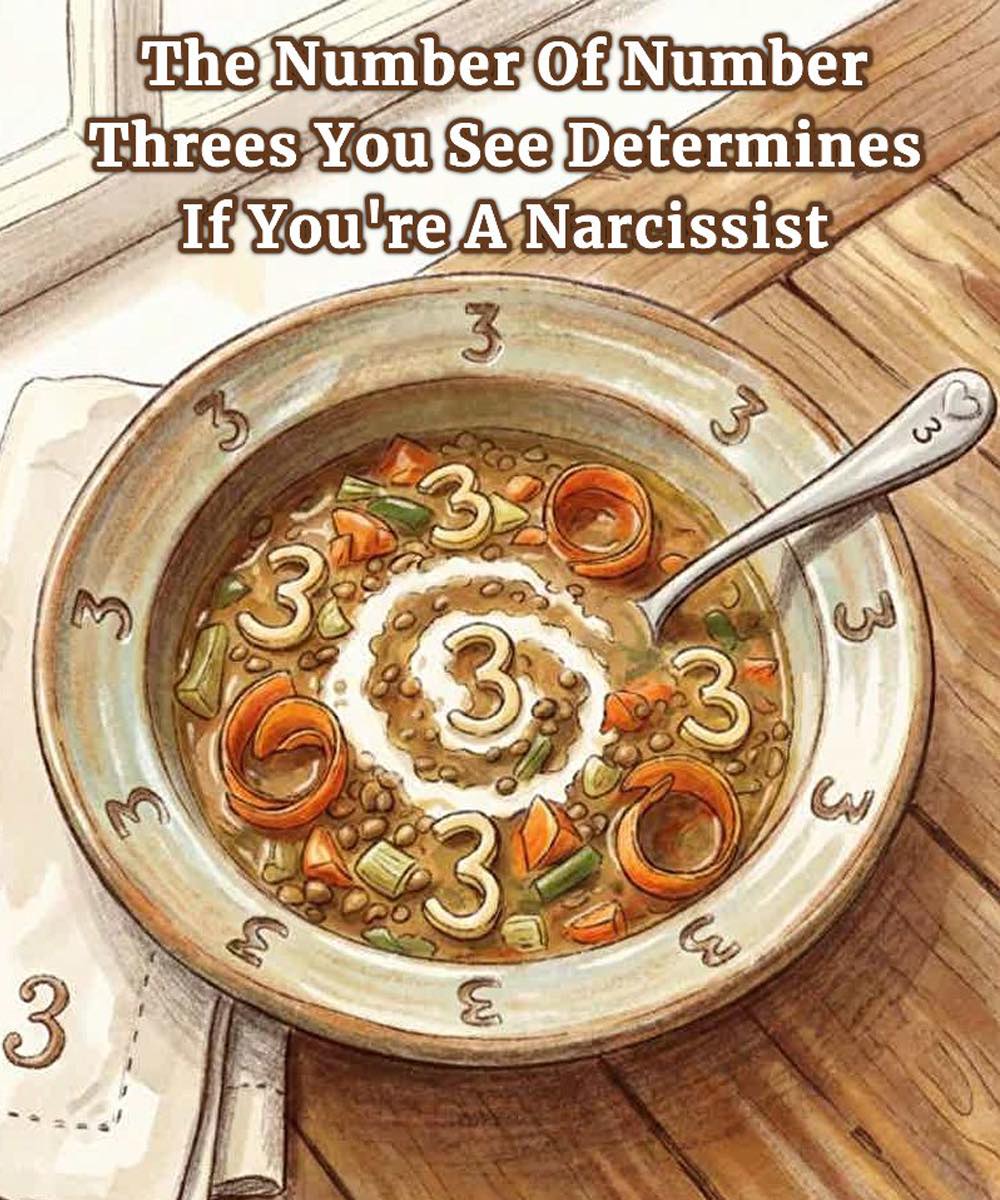
This type of image cannot diagnose narcissism—or any personality disorder.
Real narcissistic personality traits are complex and involve long-term behavioral patterns related to:
- self-image,
- empathy,
- relationships,
- attention-seeking,
- and emotional regulation.
Psychologists do not diagnose personality disorders using optical illusions or internet quizzes.
Seeing more hidden numbers usually says far more about:
- visual attention,
- patience,
- curiosity,
- or persistence
than it does about narcissism.
🧩 What These Tests Actually Reveal
Although they are not scientific diagnostic tools, illusions like these can still reveal interesting things about how people think.
✔️ Attention to Detail
Some brains naturally focus on tiny visual details more than others.
✔️ Pattern Recognition
Humans are wired to search for familiar shapes and symbols—even where none intentionally exist.
✔️ Persistence and Curiosity
People who continue searching longer may simply enjoy solving puzzles and visual challenges.
✔️ Selective Attention
Your brain chooses which details deserve attention and which should be ignored.
That filtering process differs from person to person.
🌐 Why These Viral Tests Spread So Fast
Psychology-style internet tests become popular because they combine:
- curiosity,
- self-reflection,
- competition,
- and emotional reaction.
People naturally enjoy asking:
- “What does this say about me?”
- “Did others see the same thing?”
- “Why did my result differ?”
Social media amplifies this effect because these tests encourage sharing and comparison.
The mystery feels personal—even when the science behind it is weak.
🧠 The Brain’s Obsession With Patterns
One of the most fascinating parts of these illusions is how difficult it becomes to stop searching once your brain starts recognizing a pattern.
This happens because the brain rewards pattern discovery with small bursts of satisfaction and curiosity.
The moment you spot one hidden three, your mind automatically begins scanning for more.
Suddenly:
- shadows look like numbers,
- curves resemble symbols,
- and random shapes begin feeling meaningful.
That does not make you narcissistic.
It makes you human.
🌿 Final Thoughts
Whether you saw:
- three hidden numbers,
- ten hidden numbers,
- or thirty hidden numbers,
it does not define your personality or psychological health.
What these illusions truly demonstrate is something much more interesting:
the human brain is constantly searching for order, meaning, and patterns—even inside chaos.
And once your attention locks onto something, your mind naturally wants to keep exploring.
Sometimes, the illusion itself reveals less about narcissism…
and far more about how wonderfully curious the human brain really is.
ADVERTISEMENT
