ADVERTISEMENT
There’s a moment every tomato grower knows. You step outside, coffee in hand, glance at your plants—and think, “They should be doing better than this.”
You watered. You gave them sun. You even talked to them (no judgment). And yet… the harvest is just okay.
Here’s the thing—growing tomatoes isn’t just about the basics. It’s about the little extras. The quiet tweaks. The things experienced gardeners do almost without thinking.
Some call them hacks. Others call them old-school wisdom. Either way, they work.
Let’s get into ten surprisingly simple “secret ingredients” that can take your tomatoes from decent to genuinely impressive.
Eggshells: Not Trash—More Like Slow-Release Armor
You know those Eggshells you toss without thinking? They’re basically calcium capsules.
Tomatoes need calcium to avoid blossom end rot—that frustrating black spot that ruins otherwise perfect fruit. And here’s the catch: it’s not always a lack of calcium in the soil. Sometimes it’s just not available to the plant when it needs it.
Crushed eggshells help with that.
Grind them down (the finer, the better) and mix about a cup into the soil when planting. Over time, they break down and feed the roots steadily. It’s not instant, but that’s kind of the point.
Slow and steady wins here.
Epsom Salt: A Little Boost, Not a Miracle Cure
Epsom salt gets talked about a lot—and honestly, it’s a bit overhyped. But used correctly? It’s helpful.
Magnesium plays a key role in photosynthesis, and when plants get enough of it, you’ll often see deeper green leaves and better fruit development.
Mix a tablespoon into a gallon of water and apply it every couple of weeks. Not more. More isn’t better—it’s just more.
And yes, many gardeners swear their tomatoes taste richer after using it. Coincidence? Maybe. But it’s a pleasant one.
Aspirin Water: Sounds Strange, Works Surprisingly Well
This one feels like a gardening myth—until you try it.
Aspirin contains salicylic acid, which triggers a plant’s internal defense system. Think of it like a gentle “wake-up call” for immunity.
Dissolve one tablet in a gallon of water and spray every few weeks. You’re not feeding the plant—you’re nudging it to protect itself better.
Healthier plants, fewer diseases, more tomatoes. It adds up.
Seaweed Extract: The Ocean’s Multivitamin
If tomatoes had a favorite supplement, this might be it.
Seaweed extract is loaded with micronutrients—zinc, iron, boron—the kind of elements plants need in tiny amounts but absolutely depend on.
Use it as a foliar spray or soil drench every few weeks. It won’t replace your main fertilizer, but it fills in the gaps.
And those gaps matter more than people think.
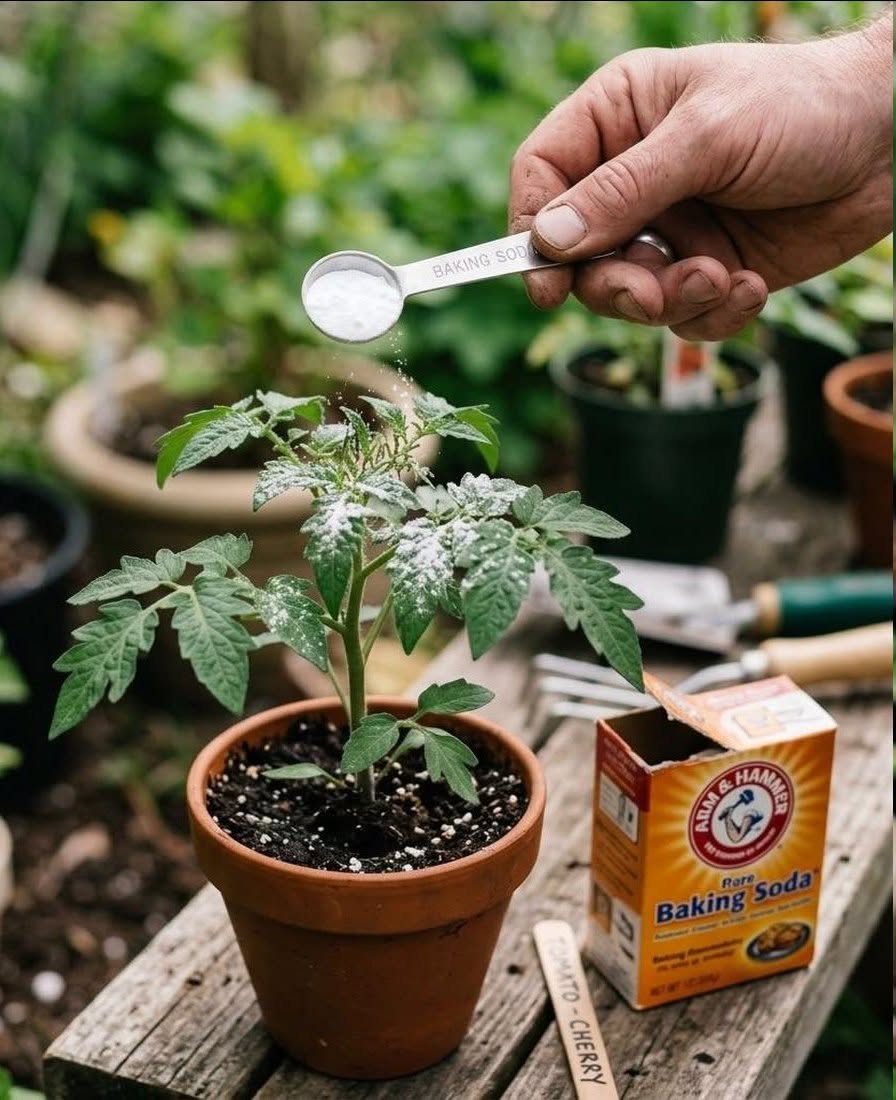
Baking Soda: Sweetness With a Side of Protection
see continuation on next page
ADVERTISEMENT
