ADVERTISEMENT
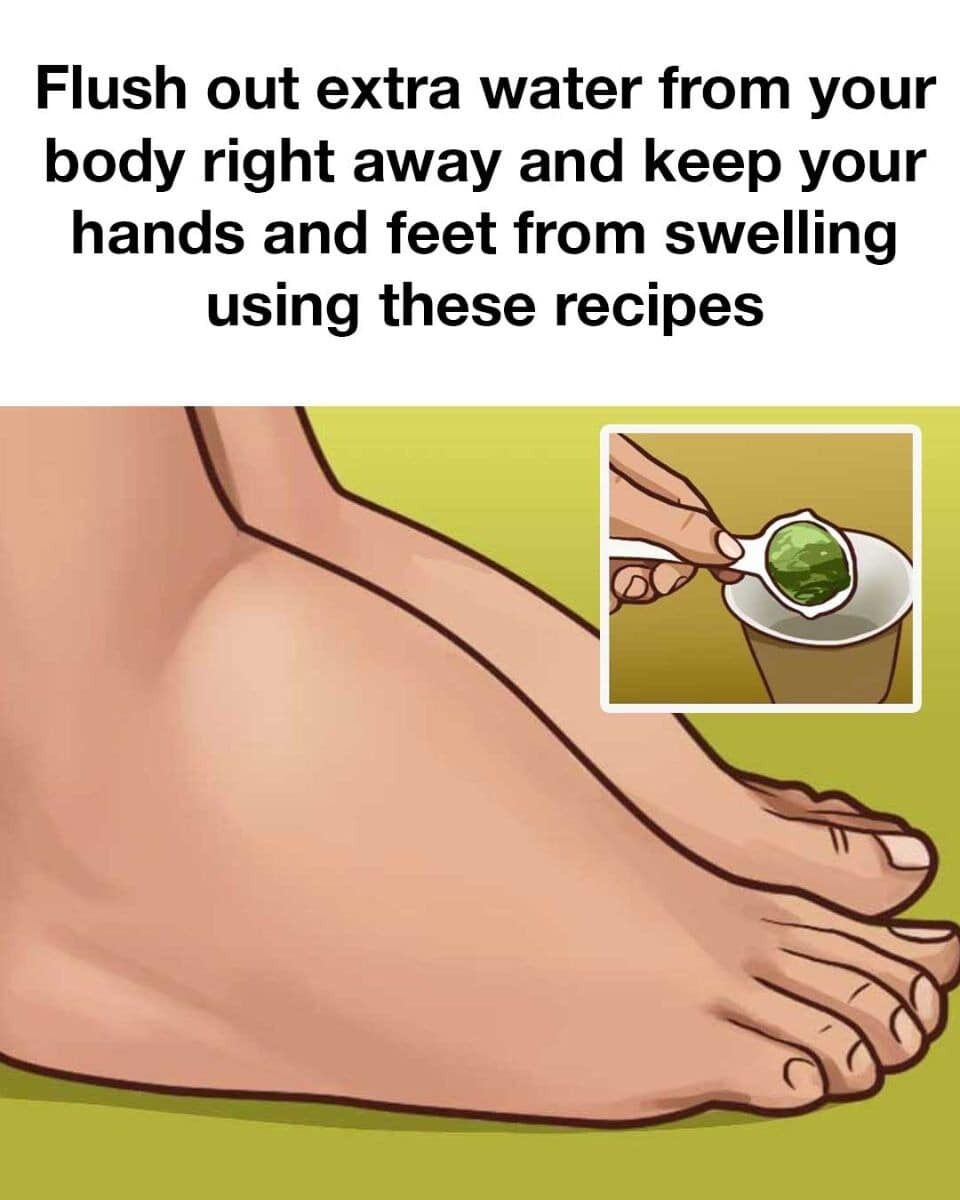
Water retention, also known as edema, occurs when excess fluids accumulate in the body’s tissues. While occasional water retention is common and often temporary, prolonged or frequent episodes can be uncomfortable and may signal underlying health issues. Understanding what causes water retention and how to manage it effectively is crucial for maintaining overall health and well-being.
What Causes Water Retention?
There are several factors that can lead to water retention, ranging from dietary choices to medical conditions. Some of the most common causes include:
1. High Sodium Intake
A diet high in salt is a major cause of water retention. When we consume too much sodium, the body tries to retain water to balance the excess salt. This leads to swelling, especially in the extremities like the hands and feet.
2. Hormonal Changes
Hormonal fluctuations, especially in women during menstruation, pregnancy, or menopause, can cause the body to retain more water. These hormonal shifts affect the kidneys’ ability to regulate fluid balance, leading to temporary bloating and swelling.
3. Physical Inactivity
Sitting or standing for prolonged periods can result in fluid buildup, particularly in the legs. Without regular movement, circulation slows, causing water to pool in the lower extremities.
4. Medications
Certain medications, including those for high blood pressure, diabetes, or birth control, can cause water retention as a side effect. If you notice swelling after starting a new medication, it’s essential to consult a healthcare provider.
5. Underlying Health Conditions
Chronic conditions such as heart disease, kidney disease, or liver problems can impair the body’s ability to regulate fluids, leading to persistent water retention. In these cases, managing the underlying condition is vital for controlling symptoms.
Recognizing the Signs of Water Retention
The symptoms of water retention can vary depending on its severity and cause. However, some common signs to look out for include:
1. Swelling in the Extremities
Swelling of the hands, feet, ankles, and legs is one of the most noticeable signs of water retention. This swelling may be more pronounced after periods of inactivity or towards the end of the day.
2. Stiffness and Discomfort
People experiencing water retention may feel a sense of heaviness or stiffness in the affected areas, making movement uncomfortable. The skin in these areas might also appear shiny or stretched.
3. Indentations in the Skin
In more severe cases of edema, pressing on the swollen area can leave a visible indentation, a condition known as pitting edema. This is a sign that the swelling is significant and may require medical attention.
4. Weight Fluctuations
Sudden changes in weight, particularly an unexplained increase, can be due to fluid retention rather than fat gain. This type of weight gain tends to fluctuate quickly, sometimes overnight.
How to Manage and Reduce Water Retention
Effectively managing water retention involves both addressing the underlying cause and making lifestyle changes to minimize symptoms. Here are some proven strategies:
1. Reduce Sodium Intake
Cutting back on salty foods is one of the most effective ways to prevent and reduce water retention. Focus on a low-sodium diet, and avoid processed foods that are often high in hidden salts. Opt for fresh, whole foods like fruits, vegetables, lean proteins, and whole grains.
2. Stay Hydrated
It may seem counterintuitive, but drinking more water can actually help reduce water retention. When the body is properly hydrated, it’s less likely to hold onto excess fluids. Aim to drink at least 8 glasses of water per day, and increase your intake if you’re active or in a hot climate.
For Complete Cooking STEPS Please Head On Over To Next Page Or Open button (>) and don’t forget to SHARE with your Facebook friends
ADVERTISEMENT
