ADVERTISEMENT
My garden is a vibrant haven of blooming flowers, attracting a delightful swarm of bees every day.
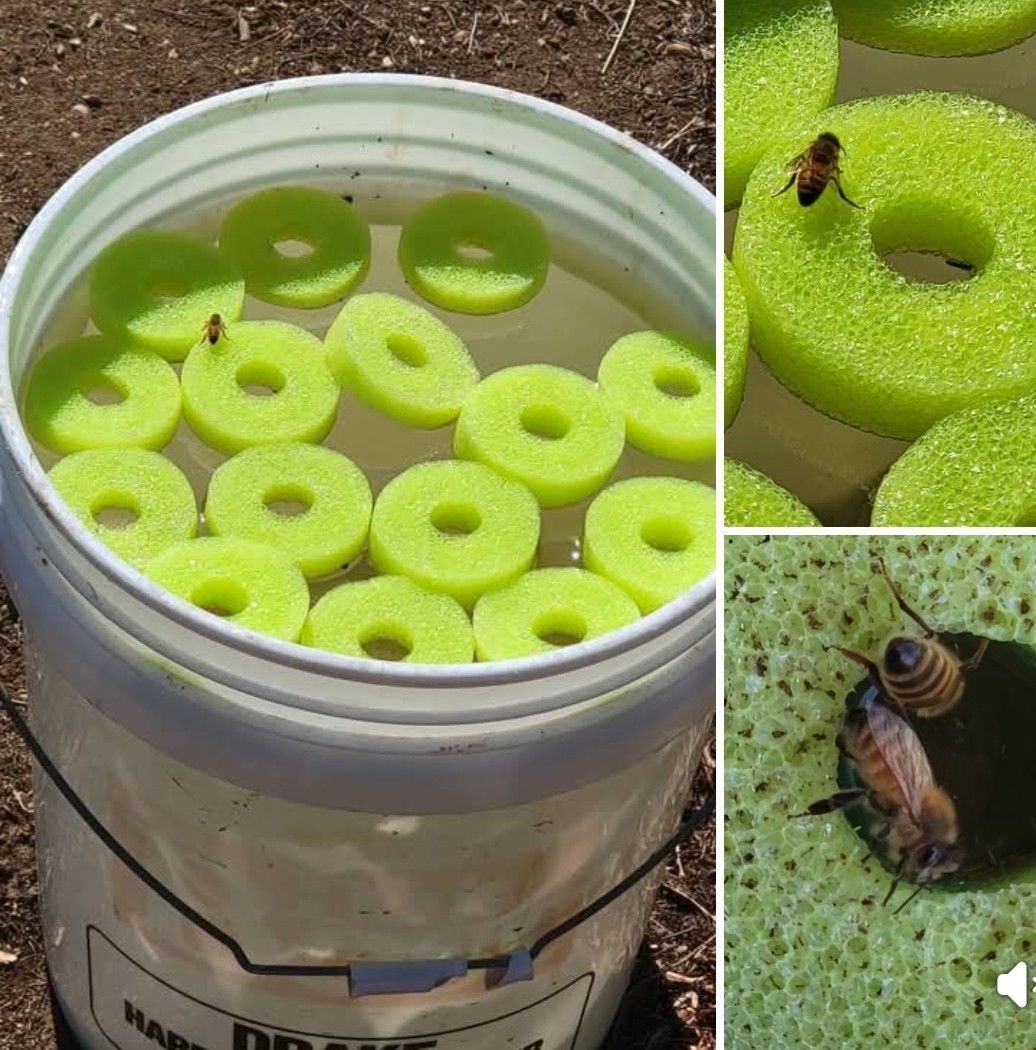
However, I’ve noticed they often struggle to find safe spots to drink water amid their busy work.
If your garden is filled with the fragrance of flowers like mine, providing a permanent bee waterer is not just thoughtful — it’s essential.
Summary:
-
Bees need water for drinking, cooling their hives, and diluting honey.
-
A bee waterer can be made using simple, inexpensive materials like small rocks, a shallow dish, and water.
-
Regular maintenance is important to keep the water clean and safe for bees.
Why Bee Waterers Matter
Why Bees Need Water
Bees, like all living creatures, need water to survive — but they don’t just drink it. They also use water for essential hive activities.
-
Cooling the Hive: Bees spread a thin layer of water over honeycombs to regulate hive temperature on hot days.
-
Feeding the Young: Bees mix water with pollen to create a protein-rich substance called bee bread, which is fed to larvae.
Without a consistent water source, bees struggle to maintain proper hive function and raise healthy young.
Impact on the Ecosystem
Bees are vital pollinators, helping plants reproduce by spreading pollen between flowers.
A steady water source helps bees stay healthy and efficient in their work, which leads to:
-
More flowers, fruits, and vegetables
-
A boost in local biodiversity
-
A stronger food chain that supports birds, small mammals, and other pollinators
How to Make a Bee Waterer
Materials You’ll Need:
| Item | Cost (Estimated) |
|---|---|
| Small rocks, pebbles, or marbles | $5–$10 |
| Shallow dish or saucer | $1–$3 |
| Water | Free |
| Total | $6–$13 |
This simple, low-cost project makes it easy for anyone to support bees in their garden.
Step-by-Step Guide:
see continuation on next page
ADVERTISEMENT
