ADVERTISEMENT
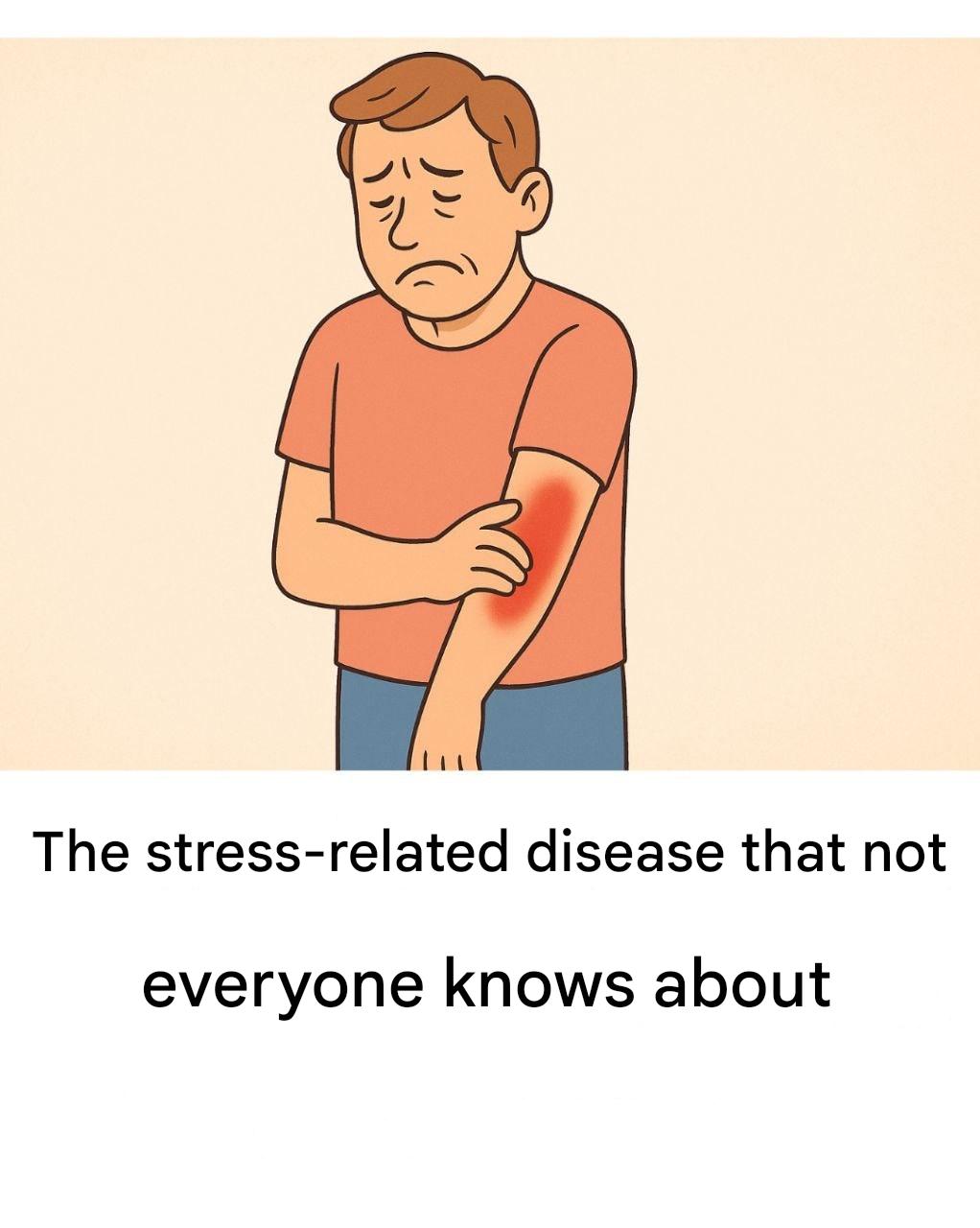
Shingles, also known as herpes zoster, is a viral condition caused by the reactivation of the same virus that causes chickenpox. It leads to a painful rash and can cause serious complications, particularly in the elderly and those with weakened immune systems. Understanding the causes, symptoms, and treatment of shingles is essential for managing this condition and avoiding long-term health issues.
What Is Shingles?
Shingles is a viral infection caused by the varicella-zoster virus, which is the same virus that causes chickenpox. After someone recovers from chickenpox, the virus doesn’t leave the body; it lies dormant in the nervous system and can reactivate later in life. When this happens, it causes shingles—a painful, blistering rash that typically appears on one side of the body.
While shingles is related to chickenpox, it doesn’t spread in the same way. The rash of shingles is generally localized and appears in the form of a painful strip of blisters. The rash typically lasts around two to three weeks, and, according to studies, about 10% of people who have had chickenpox will experience shingles later in life.
Symptoms of Shingles
Shingles symptoms can vary depending on the location of the rash, but they often include:
-
Red spots on the skin
-
Fluid-filled blisters that may burst
-
Localized pain or a burning sensation
-
Tingling or itching in the affected area
-
Fever
-
Chills
-
Headache
-
General fatigue
-
Muscle weakness
Shingles can also cause complications, such as:
-
Eye problems: If the rash affects the eye, it can lead to vision issues and even permanent damage.
-
Hearing loss and balance problems: Shingles can also affect the ear, leading to hearing difficulties or balance issues.
-
Postherpetic neuralgia: This is a condition where the pain persists even after the rash heals.
How Is Shingles Transmitted?
While shingles is not as contagious as chickenpox, it can be transmitted to someone who has never had chickenpox or hasn’t been vaccinated for it. This happens through direct contact with the fluid from the blisters of someone with shingles. The risk of transmission decreases once the rash has crusted over and is kept covered.
People who are at higher risk, such as pregnant women, newborns, or individuals who have not had chickenpox, should avoid contact with someone with shingles to prevent complications.
Shingles and Stress
Stress is one of the most common triggers for the reactivation of the varicella-zoster virus. A sudden decline in the body’s immune function due to stress can increase the risk of shingles. This means that people experiencing high stress levels, whether from work, personal life, or illness, may be more susceptible to developing shingles.
Facial and Ocular Manifestations
Shingles can also affect the face, and this can be especially serious. When shingles appears on the face, it typically affects only one side of the body, and the rash can cause significant damage if it involves the eyes or ears.
-
Eye involvement: If the rash is near the eyes, it can cause redness, swelling, and even blurred vision. In severe cases, the virus can damage the eye’s nerve, leading to permanent vision loss or scarring of the cornea.
-
Ear involvement: Shingles affecting the ear can lead to hearing loss, tinnitus (ringing in the ears), or balance problems.
Risk Factors for Shingles
see continuation on next page
ADVERTISEMENT
