ADVERTISEMENT
Possible Complications of Untreated Dental Infections
In severe cases, untreated tooth infections may contribute to:
- Jawbone infections
- Deep facial infections
- Neck swelling
- Difficulty swallowing
- Difficulty breathing
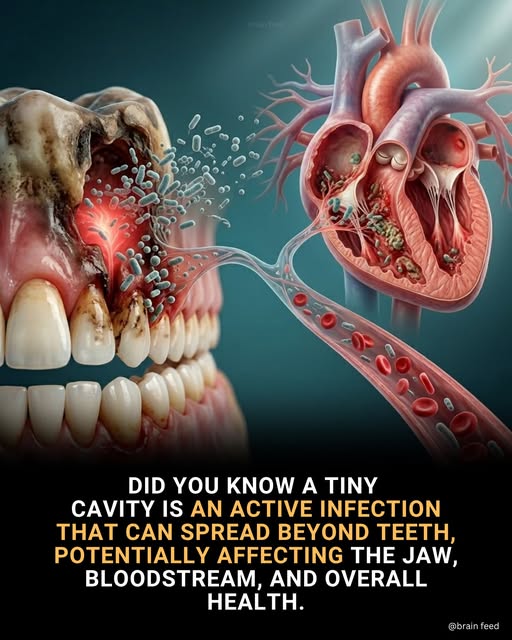
- Bloodstream infections
- Rare heart complications such as endocarditis
While severe complications are not common, they are one reason dentists strongly encourage early treatment.
The Good News: Cavities Are Often Preventable
The good news is that most cavities can be prevented with consistent daily habits.
Simple routines make a huge difference over time.
1. Brush Thoroughly
Brush at least twice daily using fluoride toothpaste.
Proper brushing helps remove plaque and bacteria before they damage enamel.
2. Floss Daily
Flossing removes food particles and plaque between teeth where toothbrushes cannot reach.
Many cavities begin in these hidden areas.
3. Reduce Frequent Sugar Exposure
Sugary snacks and drinks feed cavity-causing bacteria.
The more often sugar is consumed throughout the day, the longer acids attack tooth enamel.
4. Drink More Water
Water helps rinse away food particles and supports healthy saliva production.
Saliva naturally protects teeth by helping neutralize acids.
5. Visit the Dentist Regularly
Routine dental checkups allow dentists to catch small cavities before they become painful or expensive to treat.
Why Early Treatment Matters
Treating a small cavity early is usually:
- Quick
- Simple
- Less expensive
- Far less invasive
A small filling today may help prevent:
- Root canals
- Tooth extractions
- Severe pain
- Serious infections
Ignoring a cavity rarely makes it disappear on its own.
In most cases, the decay slowly continues progressing deeper over time.
Common Signs You Shouldn’t Ignore
You should schedule a dental evaluation if you notice:
- Persistent tooth sensitivity
- Pain when biting
- Dark spots on teeth
- Bad breath that doesn’t improve
- Swollen gums
- A bad taste in the mouth
- Tooth pain that wakes you at night
Even mild symptoms can indicate early infection.
Final Thoughts
A cavity may begin as something tiny and painless —
but it has the potential to become a much bigger health problem over time.
Oral health is closely connected to overall health.
Paying attention to small warning signs today can help prevent pain, costly procedures, and serious complications later.
Sometimes the smallest problems are the ones most worth treating early.
ADVERTISEMENT
