ADVERTISEMENT
What Is Broken Heart Syndrome?
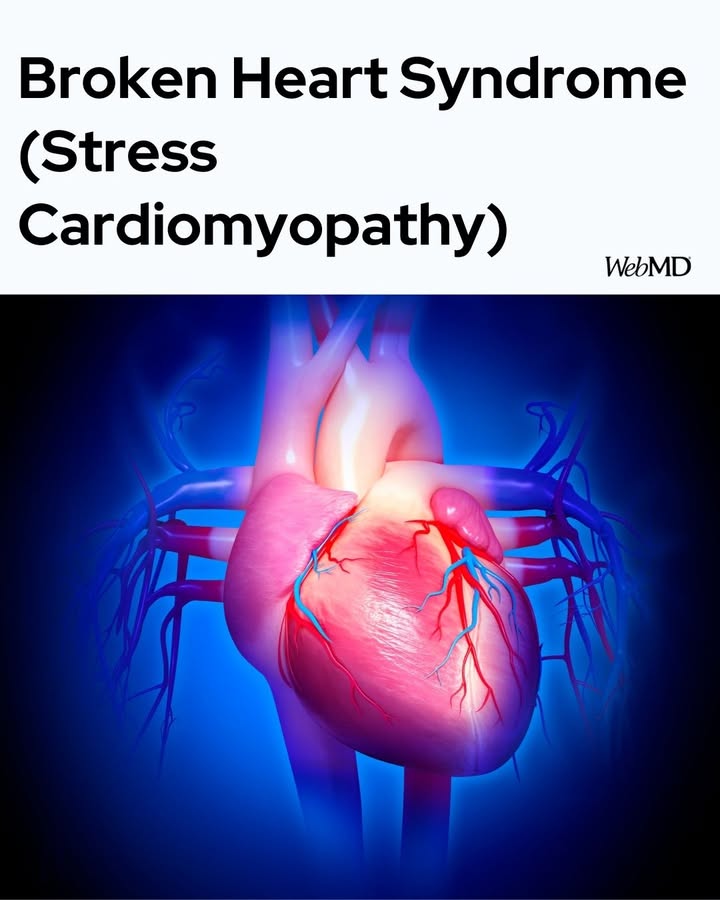
Broken heart syndrome is a temporary heart condition that can feel very similar to a heart attack. Common symptoms include chest pain and shortness of breath.
It often occurs after a sudden, intense emotional or physical event—such as the loss of a loved one, a serious illness, or extreme stress. Doctors may refer to it as stress-induced cardiomyopathy.
⚠️ If you experience chest pain, seek immediate medical attention.
Why Is It Called “Broken Heart Syndrome”?
The condition was first widely studied in Japan, where it is known as
Takotsubo cardiomyopathy.
The name comes from the way the heart temporarily changes shape. One part of the heart bulges and resembles a Japanese octopus trap called a “takotsubo.”
The term “broken heart syndrome” became popular after researchers noticed that many patients had recently experienced emotional loss.
Causes
During extreme stress, the body releases large amounts of stress hormones like adrenaline.
These hormones can:
- Narrow the arteries supplying the heart
- Reduce blood flow
- Affect heart muscle cells, making it harder for the heart to pump properly
Symptoms
Symptoms often appear suddenly and may include:
- Chest pain
- Shortness of breath
- Dizziness
- Sweating
- Fainting
- Irregular heartbeat
- Low blood pressure
These symptoms can occur within minutes or hours after a stressful event.
Common Triggers
Emotional Triggers
- Death of a loved one or pet
- Breakups or financial loss
- Extreme fear or anger
- Even positive shocks (like surprise parties or winning the lottery)
Physical Triggers
- Car accidents
- Major surgery
- Serious illness
- Conditions like asthma, stroke, or seizures
Some medications and stimulant drugs (like cocaine or methamphetamine) may also trigger it in rare cases.
Risk Factors
You may be at higher risk if you:
- Are female
- Are over 50 years old
- Have a history of anxiety or depression
- Have had a stroke or seizures
Diagnosis
Doctors use several tests to distinguish this condition from a heart attack:
- Physical exam and medical history
- Electrocardiogram (EKG)
- Blood tests
- Coronary angiogram (to check for blocked arteries)
- Echocardiogram (to view heart shape and function)
- Cardiac MRI
Broken Heart Syndrome vs. Heart Attack
Although they feel similar, they are different:
- Heart attack: Caused by blocked arteries
- Broken heart syndrome: No blockage, but the heart temporarily weakens
Treatment
At first, treatment is similar to that of a heart attack, and hospitalization is often required.
Once diagnosed, treatment may include medications such as:
- ACE inhibitors
- Beta-blockers
- Diuretics
- Angiotensin II receptor blockers (ARBs)
These help reduce strain on the heart and support recovery.
Possible Complications
Most people recover fully, but in rare cases complications can occur:
- Blood clots
- Heart failure
- Fluid in the lungs (pulmonary edema)
- Irregular heartbeat
- Low blood pressure
Prevention
There’s no guaranteed way to prevent it, but managing stress can reduce your risk.
Helpful habits include:
- Yoga or meditation
- Deep breathing exercises
- Regular physical activity
- Good sleep (7–9 hours)
- Spending time with loved ones
- Therapy or support groups
Also:
- Eat a healthy diet
- Avoid smoking and excessive alcohol
- Stay consistent with medical checkups
Outlook
Most people recover within a few weeks without lasting damage.
Some may feel tired or weak for a while afterward, but full recovery is common.
Can You Die From It?
Death is rare, but it can happen in a small percentage of cases. Most people recover completely with proper care.
Final Takeaway
Broken heart syndrome is a real medical condition where the heart temporarily weakens due to stress.
Even though it’s usually not fatal, it can feel just like a heart attack—so never ignore symptoms like chest pain or difficulty breathing.
👉 Always seek emergency medical help if you’re unsure.
ADVERTISEMENT
