ADVERTISEMENT
Salt in Your Car — Helpful Humidity Hack or Harmful Myth? (The Truth About This Viral “Dehumidifier”)
Salt in Your Car — Helpful Humidity Hack or Harmful Myth? (The Truth About This Viral “Dehumidifier”)

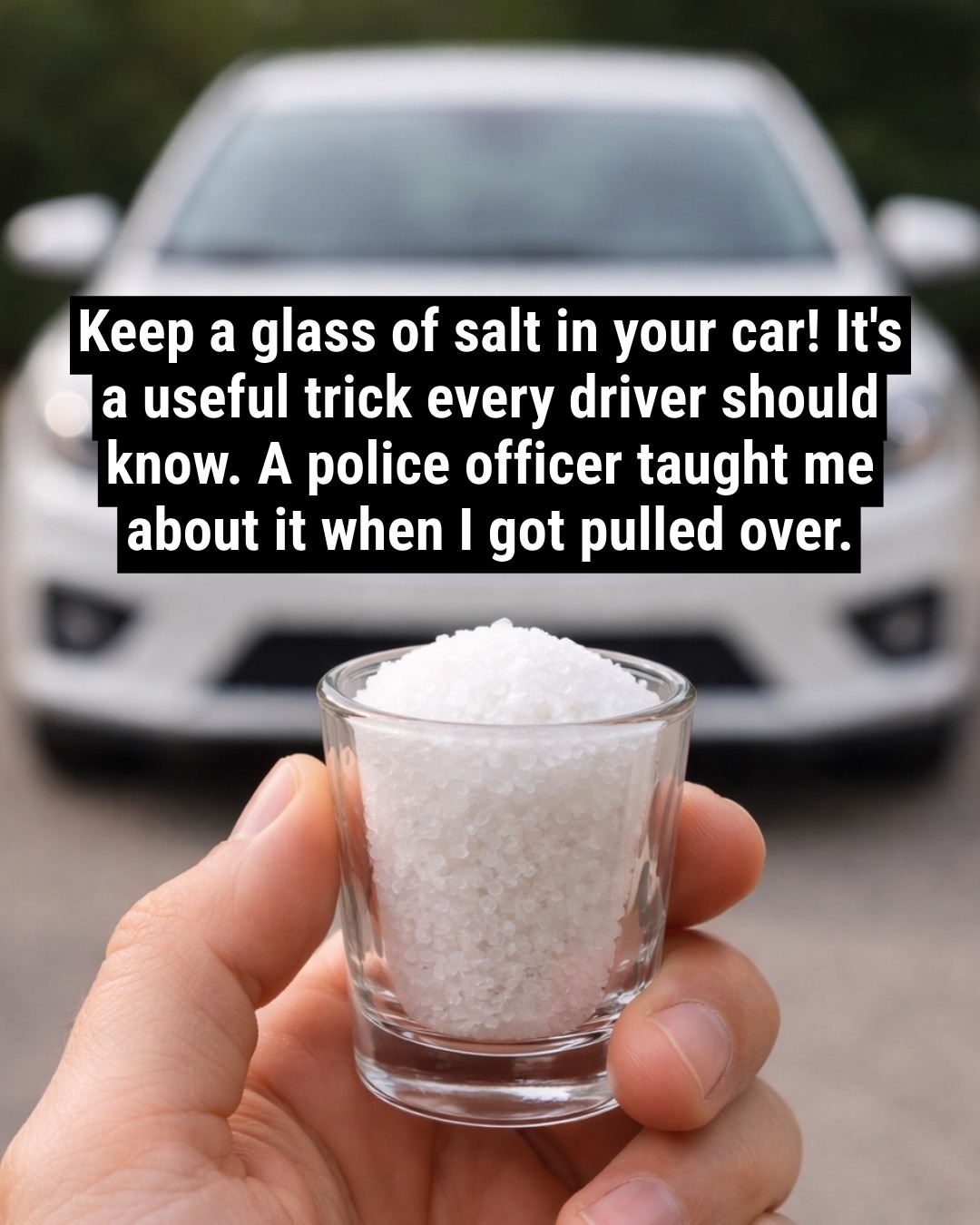
You’ve seen the posts: “Put a glass of salt in your car—it absorbs moisture, clears foggy windows, and banishes musty smells!” It sounds like magic: a cheap, silent, no-power solution to car humidity. But does it actually work? And could it cause hidden damage? Let’s separate science from social media hype.
 The Science: Does Salt Absorb Moisture in Cars?
|
Claim
|
Reality Check
|
|---|---|
|
“Salt is hygroscopic—it pulls moisture from air”
|
 True—salt does absorb water vapor… in controlled lab conditions with high humidity True—salt does absorb water vapor… in controlled lab conditions with high humidity |
|
“It prevents foggy windows overnight”
|
 Misleading—car humidity comes from breath, wet shoes, rain—not ambient air alone. A bowl of salt can’t keep up with this moisture load. Misleading—car humidity comes from breath, wet shoes, rain—not ambient air alone. A bowl of salt can’t keep up with this moisture load. |
|
“Eliminates musty odors”
|
 False—mustiness comes from mold/mildew in carpets/upholstery. Surface-level salt won’t reach these sources. False—mustiness comes from mold/mildew in carpets/upholstery. Surface-level salt won’t reach these sources. |
|
“Protects against corrosion”
|
Dangerous irony—salt is corrosive! Spills accelerate rust on metal parts. |
 Key fact: A typical car interior holds ~3,000 liters of air. A cup of salt might absorb 50–100ml of water before saturating—barely a drop in the bucket during rainy season.
 Hidden Risks Most Posts Ignore
|
Risk
|
Why It Matters
|
|---|---|
|
Spills = Corrosion
|
Salt spills on floor mats → seeps into metal frame → accelerates rust (especially in winter)
|
|
Attracts pests
|
Spilled salt draws rodents/insects seeking minerals
|
|
False security
|
Relying on salt delays real solutions (like fixing leaks or using proper dehumidifiers)
|
|
Ineffective for real problems
|
Won’t stop mold in soaked carpets or fog from passenger breath
|
 Critical: In humid climates or after flooding, mold grows in 24–48 hours. Salt bowls won’t prevent this—professional drying will.
 What Actually Works for Car Humidity:
See next page:
ADVERTISEMENT
ADVERTISEMENT
