ADVERTISEMENT

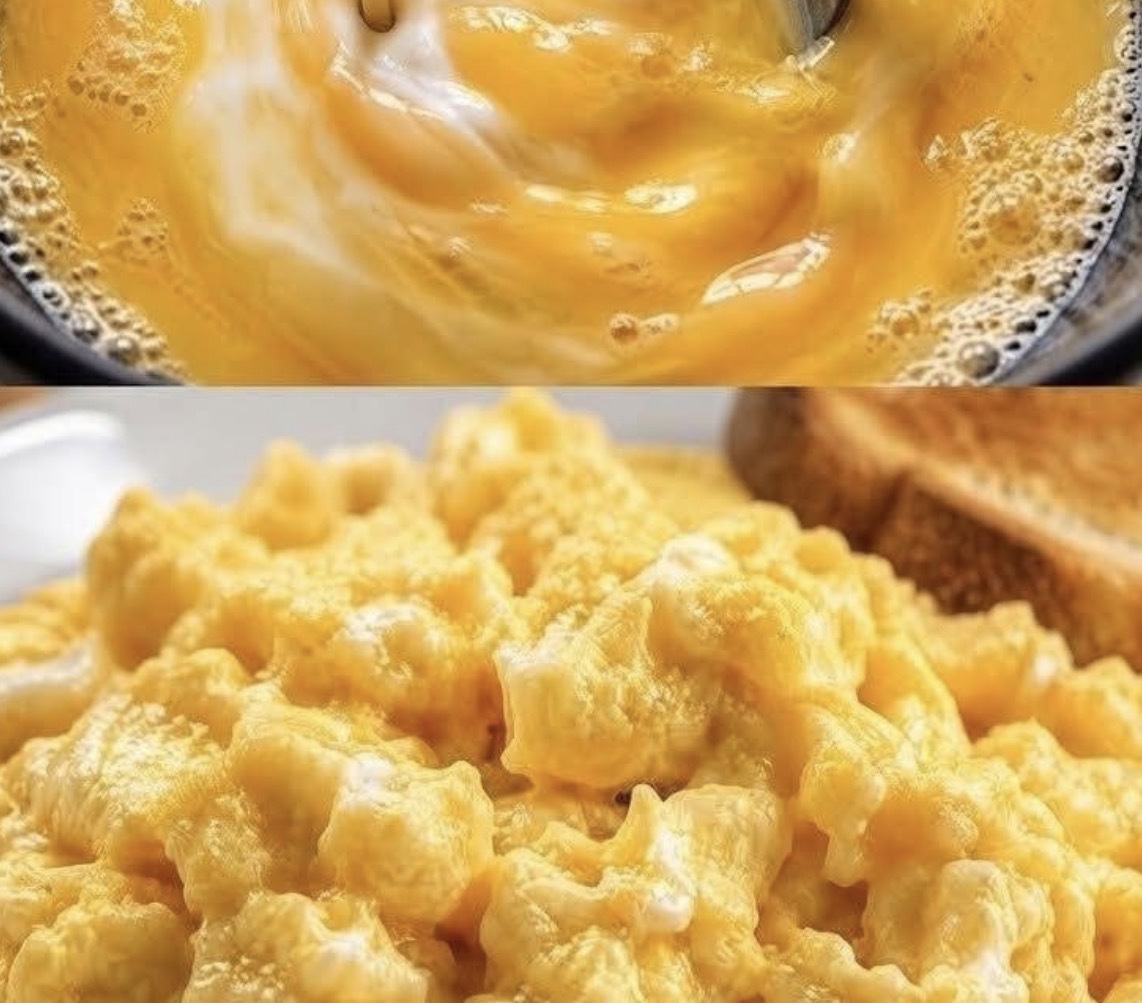
scrambled eggs

ADVERTISEMENT

  • Prep Time: 3 minutes

  • Cook Time: 5 minutes

  • Total Time: 8 minutes

  • Yield: 2 servings

  • Cooking Intensity: Low to Medium-Low Heat

  • Skill Level: Beginner to Intermediate

Ingredients

  • 4 Large Fresh Eggs (preferably pasture-raised for vivid yolks)

  • 1.5 tbsp Unsalted Butter (chilled, cut into small cubes)

  • 1 tbsp Heavy Cream or Whole Milk (optional, for added richness)

  • 1/4 tsp Fine Sea Salt

  • 1/8 tsp Freshly Cracked Black Pepper

  • 1 tbsp Fresh Chives (finely minced, for garnish)

Cooking Sequence

1.Vigorous Whisking:Intensity: High (Manual Effort) | Duration: 60 seconds.

Break the eggs into a glass mixing bowl. Season with fine sea salt. Whisk vigorously using a wire whisk for 60 seconds until the mixture is completely uniform with no visible streaks of egg white remaining. Aerating the eggs incorporates tiny air bubbles that expand slightly during cooking.

2.Pan Preparation & Butter Melt:Intensity: Low Heat | Duration: 90 seconds.

Place a small non-stick skillet over low heat. Add 1 tablespoon of cold butter cubes. Allow the butter to melt slowly until it coats the bottom of the pan without sizzling or turning brown. Keep the pan temperature low to avoid shocking the eggs.

3.Setting the Curds:Intensity: Low to Medium-Low Heat | Duration: 2-3 minutes.

Pour the whisked egg mixture into the center of the skillet. Let it sit undisturbed for 20 to 30 seconds until a thin layer of egg begins to set around the outer edges. Using a flexible silicone spatula, gently sweep from the outer edges toward the center, forming large, soft curds.

4.Off-Heat Residual Finish:Intensity: Zero Heat (Residual Skillet Temperature) | Duration: 60 seconds.

When the eggs are about 80% set but still look wet and soft, remove the skillet from the burner completely. Fold in the remaining 1/2 tablespoon of cold butter. The residual heat in the pan will finish cooking the eggs without drying them out.

Pro-Tips for Mastery

  • Salt Early: Salting eggs before cooking breaks down protein bonds, locking in moisture and preventing liquid separation.

  • Pan Selection: Use an 8-inch non-stick skillet. A pan that is too large spreads the eggs too thin, making them overcook almost instantly.

  • Temperature Control: If the pan starts sizzling at any point, lift it off the heat burner for 10-15 seconds while continuing to fold gently.

Macronutrient Profile

Nutrient Amount Per Serving
Calories 215 kcal
Protein 13 g
Total Fat 17 g
Saturated Fat 8 g
Carbohydrates 1.2 g
Dietary Fiber 0 g
Sugar 0.8 g
Sodium 380 mg
Cholesterol 390 mg

ADVERTISEMENT

Leave a Comment