ADVERTISEMENT
Why Does Justin Bieber Look Different Recently? What We Know About His Health
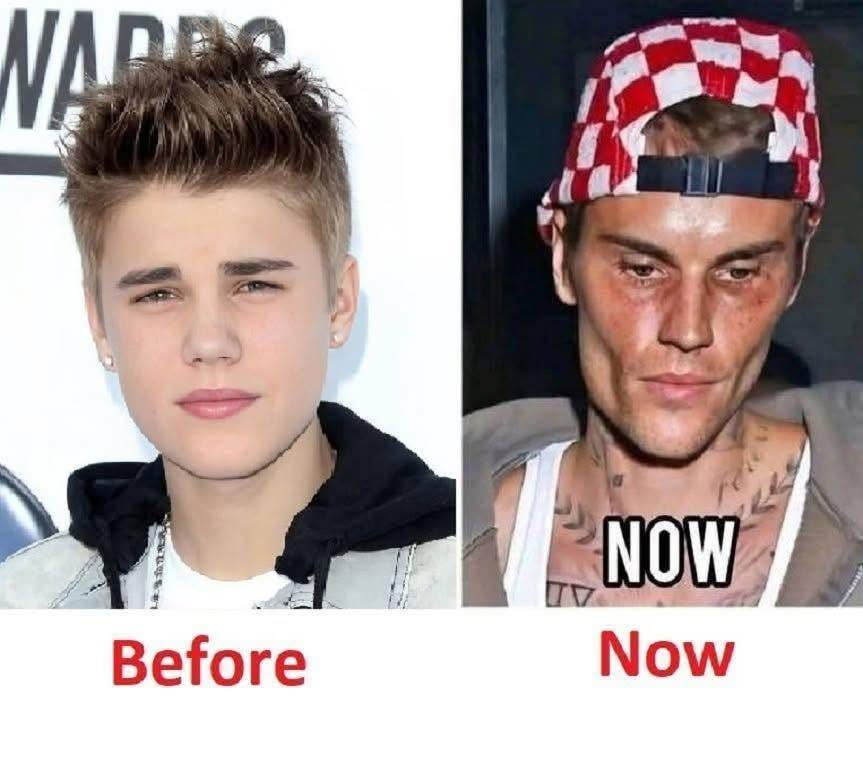
In recent months, fans have taken to social media with a common question: Why does Justin Bieber look different? Photos and videos of the Grammy-winning singer have sparked widespread discussion, with many people expressing concern about his appearance and overall well-being. While speculation has spread rapidly online, it’s important to separate rumors from verified facts.
Like many public figures, Justin Bieber has spent much of his life under an intense spotlight. Every public appearance, social media post, and candid photograph is analyzed by millions of people around the world. Changes in appearance—whether due to health, aging, stress, or lifestyle—can quickly become the subject of headlines and online debates.
So, what do we actually know about Justin Bieber’s health? Here’s a closer look at the confirmed information, the context behind recent discussions, and why it’s important to approach celebrity health stories with care.
Public Concern Over Recent Appearances
Over the past year, paparazzi photos and fan-recorded videos have circulated online, prompting many observers to comment that Bieber appeared more tired or thinner than in previous years. Others noted changes in his facial appearance or expressions, leading to countless theories across social media platforms.
However, it’s worth remembering that photographs capture only a single moment in time. Lighting, camera angles, facial expressions, travel schedules, and even lack of sleep can significantly influence how someone looks in a photo. Celebrities are often photographed without notice, making candid images an unreliable basis for judging a person’s overall health.
While concern from fans is understandable, appearance alone cannot tell the full story.
Justin Bieber’s Previously Confirmed Health Conditions
One of the most significant health issues Bieber has publicly discussed is his diagnosis with Ramsay Hunt syndrome in 2022.
The condition is caused by the reactivation of the virus responsible for chickenpox and shingles. When it affects certain facial nerves, it can lead to symptoms such as:
- Facial paralysis on one side
- Difficulty blinking
- Changes in facial expression
- Ear pain
- Hearing problems
- Dizziness
At the time, Bieber shared a video explaining that one side of his face had become temporarily paralyzed, forcing him to postpone several performances while focusing on recovery.
His openness about the diagnosis helped increase public awareness of a condition that many people had never heard of before.
Recovery Takes Time
Recovering from neurological conditions isn’t always a quick process.
Although many people improve significantly over time, recovery speed varies from person to person depending on factors such as the severity of nerve involvement, overall health, and treatment.
Some individuals regain facial movement within weeks, while others experience lingering symptoms for months or longer.
Because of this, occasional differences in facial movement or expression do not necessarily indicate a new medical problem.
The Physical Demands of Touring
Professional musicians often maintain demanding schedules.
International travel, rehearsals, performances, interviews, and promotional events can take a physical and emotional toll.
Long flights, irregular sleep, changing time zones, and high-energy performances may contribute to fatigue that becomes visible in public appearances.
Even after stepping back from extensive touring, adjusting to different routines can affect appearance and energy levels.
ADVERTISEMENT
