ADVERTISEMENT
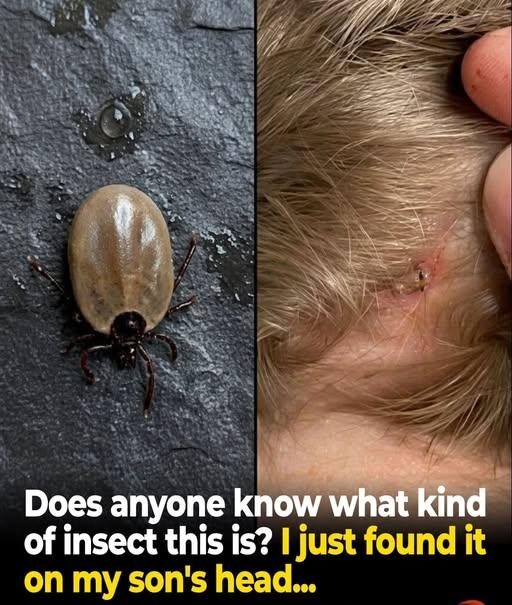
Few moments create instant panic for parents quite like spotting a tiny insect moving through their child’s hair.
Your mind immediately starts racing:
- Is it lice?
- Could it spread?
- Does everyone in the house have it?
- What should I do first?
The good news is that situations like this are far more common than many people realize.
Whether you’re dealing with head lice, fleas, ticks, or another harmless insect, staying calm is the most important first step.
A clear plan will always be more effective than panic.
Step 1: Confirm What You’re Seeing
Before starting any treatment, it’s important to identify the problem correctly.
Perform a Careful Inspection
Use bright lighting and examine:
- Behind the ears
- The nape of the neck
- Hair close to the scalp
Head lice and their eggs often gather in these areas because they stay close to body heat.
Take a Clear Photo
A close-up photo can be surprisingly useful.
It may help:
- Track changes
- Compare findings later
- Show a pharmacist or healthcare professional
Ask a Professional When Unsure
If you cannot confidently identify what you found, consult:
- A pediatrician
- A pharmacist
- A dermatologist
A proper diagnosis can save both time and unnecessary treatments.
Understanding Head Lice
Many childhood infestations involve head lice.
Understanding their life cycle helps explain why treatment sometimes requires patience.
The Three Stages
- Nit (egg)
- Nymph (young louse)
- Adult louse
Because eggs are attached firmly to hair shafts, they may survive initial treatments if not removed properly.
How Lice Spread
Contrary to popular belief, lice:
- Cannot jump
- Cannot fly
They spread mainly through:
- Head-to-head contact
- Shared hats
- Shared brushes
- Hair accessories
- Scarves and clothing
Nits vs. Dandruff
Many parents confuse dandruff with lice eggs.
Nits:
- Are oval-shaped
- Stick firmly to hair
- Are difficult to remove
Dandruff:
- Looks flaky
- Falls away easily
- Is not attached to hair
The treatment options, flea identification, tick removal, and prevention strategies continue on the next page.
ADVERTISEMENT
