ADVERTISEMENT
Not all appliances should be unplugged regularly. Certain devices are designed to stay connected and play essential roles in safety, communication, or daily routines. Refrigerators, freezers, internet modems, routers, smoke detectors, carbon monoxide alarms, security systems, medical equipment, and smart-home hubs should remain plugged in to ensure proper operation and reliability.
Reducing unnecessary energy use does not require constant effort. Smart power strips can automatically cut power to multiple devices when a primary device, such as a television, is turned off. Smart plugs and timers help manage electronics that are used only occasionally by limiting when power is available. Adjusting energy-saving settings on computers and gaming systems can also reduce standby consumption without affecting performance. Unplugging chargers when they are not actively charging devices further helps minimize continuous power draw and keeps outlets cooler and more organized.
For those who want a clearer picture of energy use, plug-in energy monitors can provide valuable insight. These tools show exactly how much electricity an appliance uses when active and when idle, making it easier to identify which devices contribute most to overall consumption.
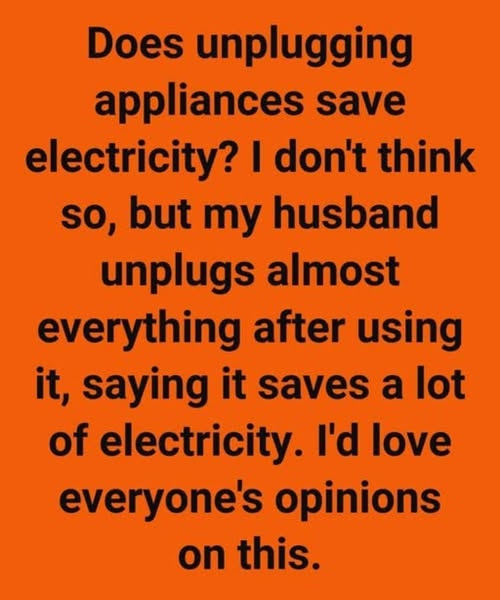
In the end, unplugging appliances can help lower electricity use when done thoughtfully. The goal is not to disconnect everything, but to focus on devices that quietly consume power throughout the day. By understanding standby energy use and applying simple tools and settings, households can reduce annual energy costs without disrupting daily life. Energy efficiency is often the result of awareness and planning, and small changes can lead to steady, long-term savings.
ADVERTISEMENT
