ADVERTISEMENT
⚠️ Why Assassin Bug Bites Matter
When kissing bugs bite, they typically:
Feed on blood (usually at night, often near the face—hence “kissing” bug)
Defecate near the bite site
Transfer Trypanosoma cruzi parasites through their feces
Parasites enter the body when a person scratches the bite or touches the area
This transmission route can lead to Chagas disease, a potentially serious illness.
About Chagas Disease
Stage
Symptoms
Timeline
Acute phase
Fever, fatigue, headache, rash, swelling at bite site (Romaña’s sign), body aches
Weeks to months after infection; often mild or asymptomatic
Chronic phase
Heart complications (enlarged heart, arrhythmias), digestive issues (enlarged esophagus/colon)
Develops in 20–30% of infected people, often decades later
💡 Key insight: Most people infected with Chagas disease never develop severe symptoms—but early detection and treatment significantly improve outcomes.
🆘 What to Do Immediately After a Suspected Assassin Bug Bite
If you suspect you’ve been bitten by an assassin bug (especially a kissing bug), take these steps:
Step 1: Stay Calm and Assess
✅ Note the time and location of the bite
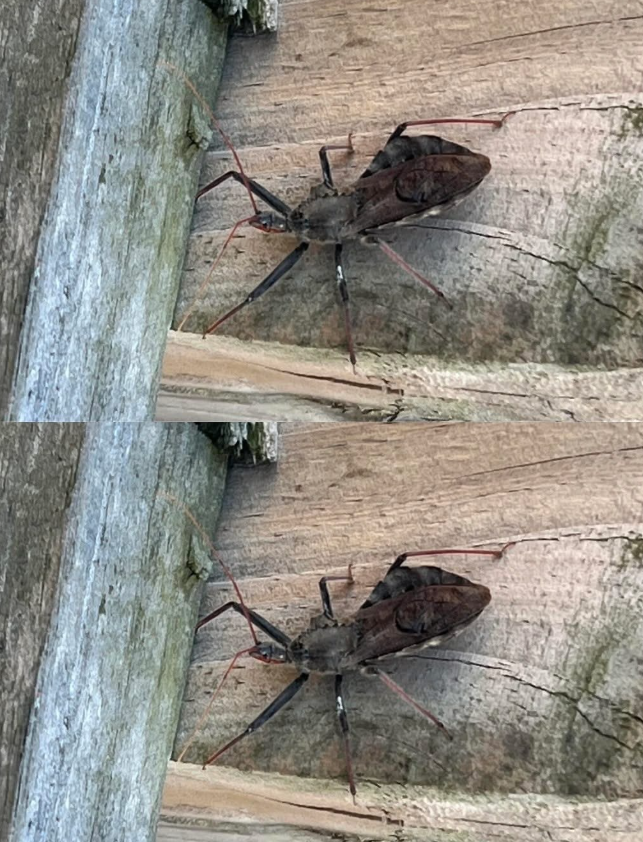
✅ Try to safely capture or photograph the insect for identification (do not crush it)
✅ Do not scratch the bite site—this can introduce parasites into the wound
Step 2: Clean the Area
✅ Wash gently with soap and warm water
✅ Apply an antiseptic (like hydrogen peroxide or iodine)
✅ Cover with a clean bandage if needed
Step 3: Monitor for Symptoms
Watch for these signs in the days and weeks following the bite:
🔴 Redness, swelling, or a bump at the bite site
🔴 Fever, fatigue, or body aches
🔴 Rash or swelling around the eyes (Romaña’s sign)
🔴 Headache, nausea, or vomiting
Step 4: Seek Medical Attention
✅ Contact your doctor promptly if:
You saw a kissing bug and were bitten
You develop any symptoms listed above
You live in or recently traveled to an area where kissing bugs are common
✅ What to expect at the doctor:
Blood tests to check for T. cruzi antibodies
Discussion of your exposure risk and symptoms
Possible referral to an infectious disease specialist
🚨 Emergency note: If you experience severe swelling, difficulty breathing, or signs of an allergic reaction, seek emergency care immediately.
🔍 How to Identify a Kissing Bug
Not all assassin bugs are kissing bugs. Here’s how to tell the difference:
Kissing Bug Characteristics
Feature
Description
Body shape
Elongated, narrow, with a distinct “cone-shaped” head
Color
Dark brown or black with orange/red markings along the edges
Size
¾ to 1¼ inches long as adults
Antennae
Long, thin, with four segments
Behavior
Nocturnal; attracted to light; often found near sleeping areas
Look-Alike Insects (Usually Harmless)
Insect
How to Distinguish
Boxelder bug
Shorter, rounder body; red markings on back; feeds on plants
Western conifer seed bug
Similar shape but lacks cone-shaped head; feeds on pine cones
Leaf-footed bug
Flattened hind legs; plant-feeding; not a blood-sucker
📸 Pro tip: If you find a suspected kissing bug, take a clear photo and contact your local health department or university extension office for identification.
🏡 How to Prevent Assassin Bug Encounters
Prevention is your best defense. Here’s how to reduce your risk:
Outdoor Prevention
Continued on the next page
