ADVERTISEMENT
- Bacterial or fungal infections (e.g. leprosy in endemic areas, but rare).
- Nutritional deficiencies (vitamin B12, copper or zinc, although this rarely occurs).
- Medicines (including some long-acting topical corticosteroids).
- Genetic disorders (partial albinism, piebaldism – rare).
- Lichen sclerosus or morphea (autoimmune diseases that cause hardened white patches).
When should you be concerned and consult a dermatologist?
Most white spots are benign, but consult a doctor if you notice the following:
- Spots that grow or change shape rapidly.
- Symmetrical and progressive pigment loss (suspected vitiligo).
- Patches with scaling, intense itching, or redness.
- Sudden onset in adults over 50 years of age.
- It is often accompanied by other symptoms (hair loss, extreme fatigue, thyroid problems – vitiligo is associated with autoimmune diseases).
- Spots in the genital area, on the mucous membranes, or around the eyes/mouth.
-
- Always use sunscreen with a high SPF (50+) on the affected areas (the sun worsens the discoloration).
- Hydrate your skin well (with creams containing ceramides or urea).
- Avoid scratching or exposure to irritating substances.
- Do not use harsh home remedies (pure lemon, vinegar) unsupervised → these can cause further irritation.
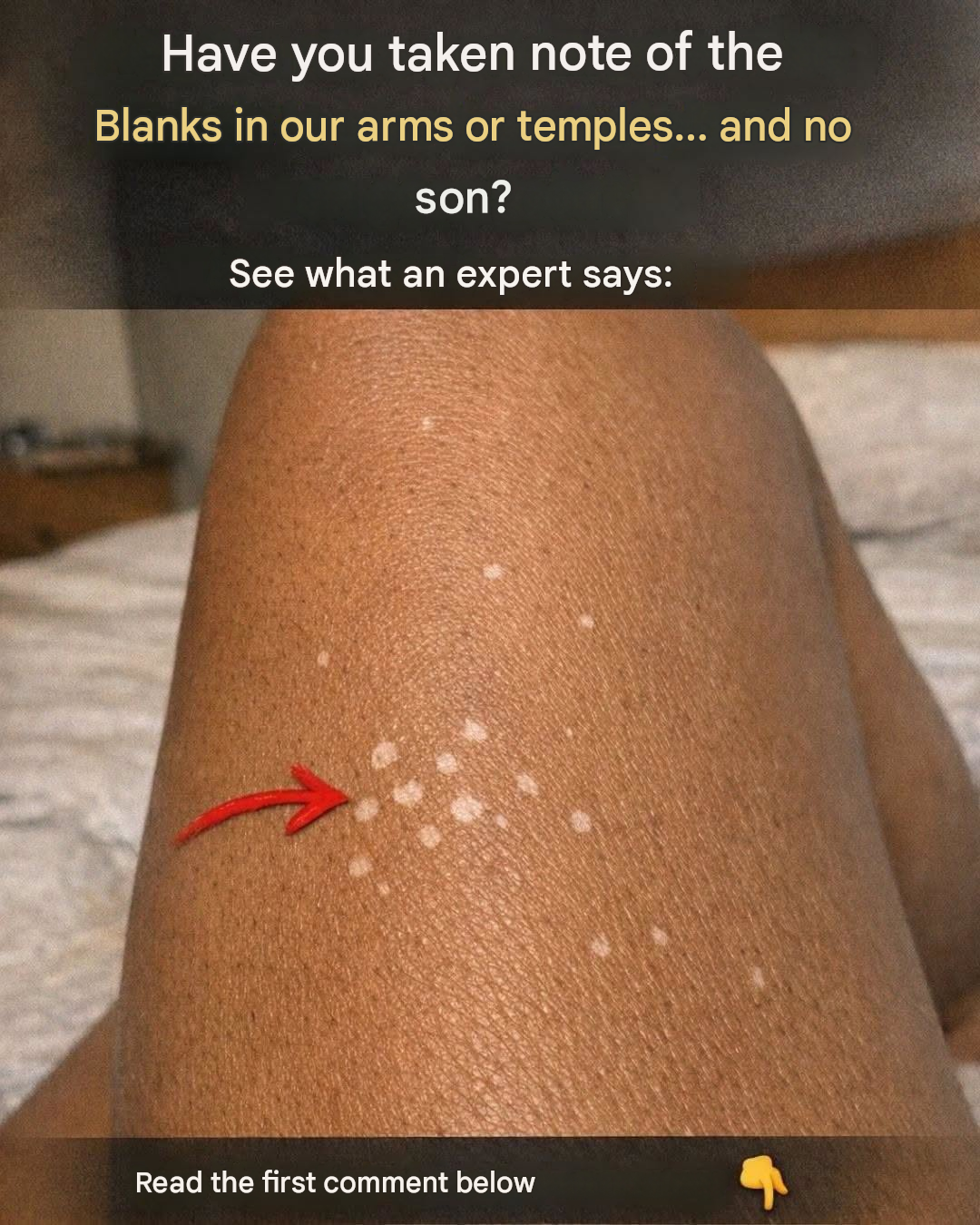
In summary: white spots are usually benign (guttate hypomelanosis due to sun exposure/age, pityriasis versicolor due to a fungus, pityriasis alba due to dryness/atopy), but vitiligo and other autoimmune diseases require an accurate diagnosis. If you are concerned about them or if they change, a dermatologist can easily identify them (sometimes using a Wood’s lamp or biopsy) and advise you on treatments (creams, light therapy, etc.).
Are the spots small and scattered over the arms/legs, or larger and on the face/hands? Do they itch or are they scaly? Tell me more details so I can give you a better
ADVERTISEMENT
