ADVERTISEMENT
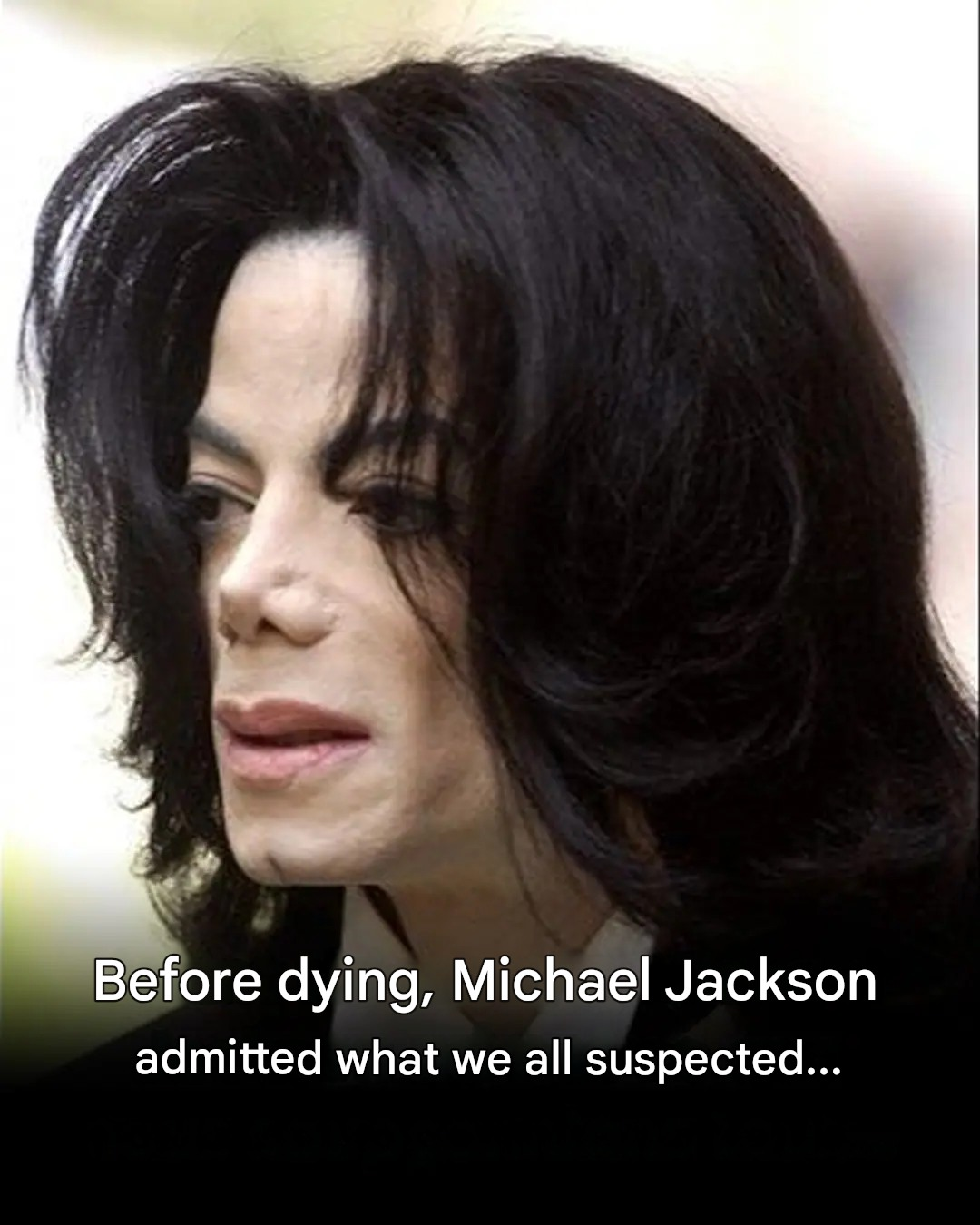
Few celebrities in modern history have faced as much public scrutiny over their appearance as Michael Jackson. Over the course of his career, millions of fans watched his skin tone gradually become lighter, sparking years of speculation, rumors, conspiracy theories, and relentless media attention.
For decades, people debated whether the King of Pop intentionally changed his skin color. Some accused him of rejecting his identity. Others believed cosmetic surgery alone explained the transformation. But medical evidence, testimony from dermatologists, and statements from Jackson himself pointed to a real medical condition: vitiligo.
Vitiligo is a chronic skin disorder that affects pigmentation and can dramatically alter a person’s appearance over time. While the disease itself is not physically dangerous in most cases, its emotional and psychological impact can be profound—especially for someone living under global public attention.
Michael Jackson’s experience brought worldwide awareness to vitiligo, even if much of that attention was initially clouded by misunderstanding and sensationalism. Today, his story remains one of the most widely discussed examples of how chronic skin conditions can affect not only physical appearance but also identity, mental health, and public perception.
This article explores what vitiligo is, how it affected Michael Jackson, the science behind the disease, common treatments, and why his experience changed public conversations about skin disorders forever.
What Is Vitiligo?
Vitiligo is a long-term autoimmune skin condition in which the body loses melanocytes—the cells responsible for producing melanin, the pigment that gives skin, hair, and eyes their color.
When these pigment-producing cells are destroyed or stop functioning, white patches begin appearing on the skin.
These patches can develop anywhere on the body, including:
- Face
- Hands
- Arms
- Legs
- Scalp
- Lips
- Around the eyes
- Genital areas
In some people, vitiligo progresses slowly over years. In others, pigment loss spreads rapidly.
ADVERTISEMENT
